

From Vision to Full Production
Fresh Vegetable Product Processing Guide
Release time:
2025-01-06 20:25
Fresh-Cut Vegetable Processing Line: A Step-by-Step Guide
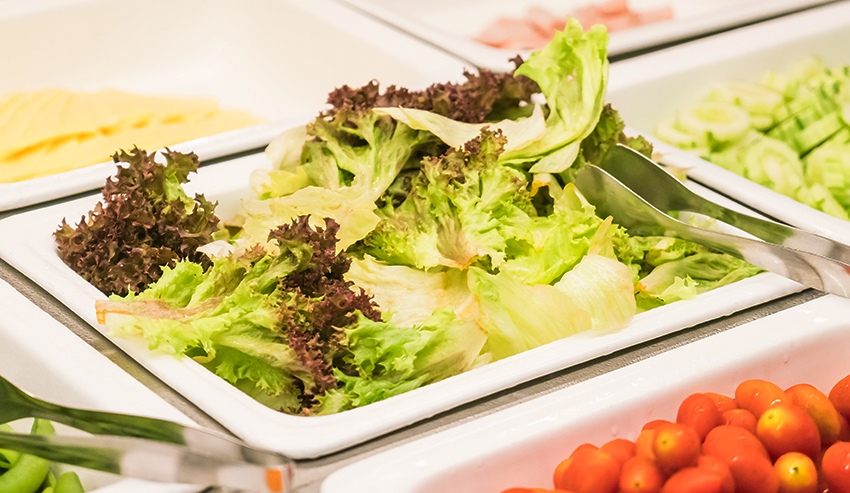
Fresh processed vegetables are an essential part of daily diet, eat plenty of fresh, quality vegetables every day. The vegetables preparation requires hygienic, stable quality and efficient equipment to ensure freshness and extend shelf life. This article explains the key steps involved in processing fresh-cut vegetables using a professional vegetable processing line.
Steps in Fresh-Cut Vegetable Processing
Sorting and Grading
Vegetables are soaked in a water tank for manual sorting and grading. Workers separate them based on size and quality while removing debris, yellow leaves, and damaged parts. Soaking time should not exceed 30 minutes.
Cleaning
Thorough cleaning is crucial for maintaining freshness. It reduces bacteria and washes off residues that could cause spoilage, removes impurities and dirt. Can be cleaned by air bubbles or ultrasonic washing, followed by a water spray to rinse thoroughly.
Cutting
Proper cutting ensures the vegetables look good and stay fresh longer. Small cuts increase surface area and reduce shelf life, so cutting should be minimized. Use sharp blades for cleaner cuts to avoid bruising and discoloration.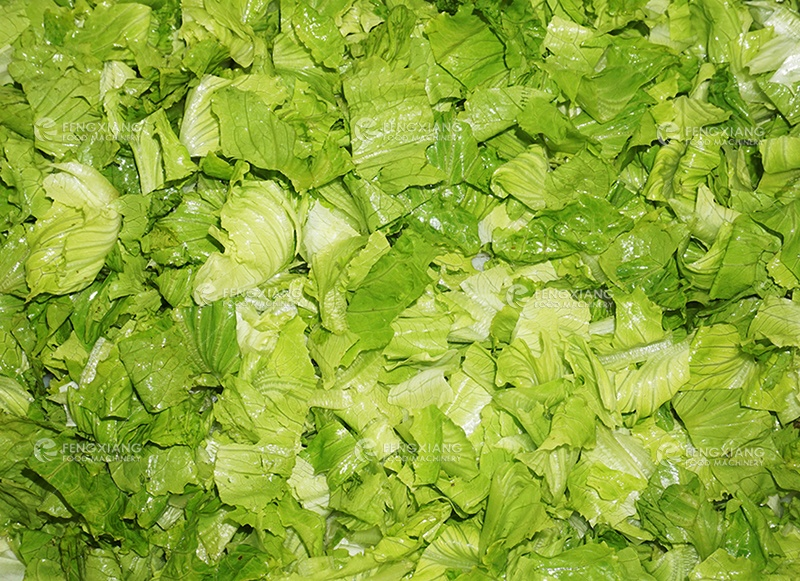
Preservation
Cutted vegetables are easy to spoilage due to mechanical damage. Preservation treatments, such as soaking in solutions with ascorbic acid, citric acid, or sodium bisulfite, can prevent browning and extend freshness. Adjust soaking times and concentrations to balance effectiveness and flavor.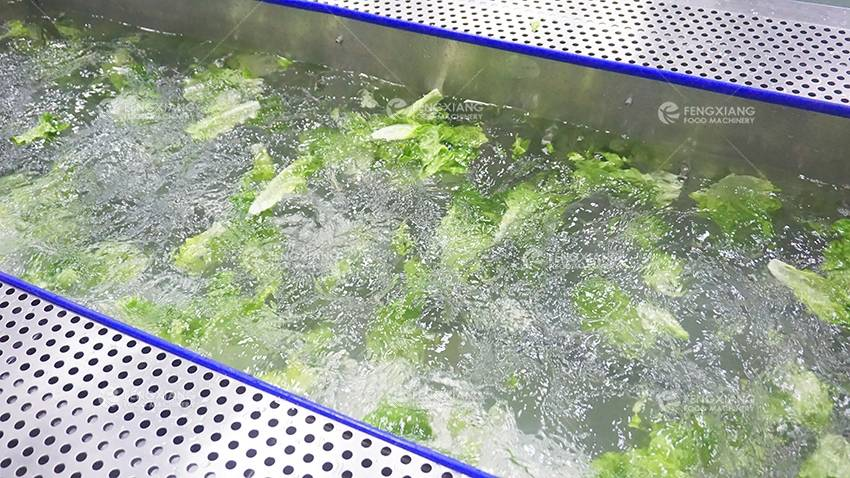
Dehydration
After preservation, excess moisture is removed to maintain quality. A centrifuge is commonly used for efficient dehydration. Centrifugal dehydration can preserve the appearance of vegetables as much as possible.
Sterilization
Sterilization eliminates remaining bacteria on the vegetables. A UV sterilizer is often used for this purpose. The duration of sterilization should be controlled to avoid overheating and maintain vegetable quality.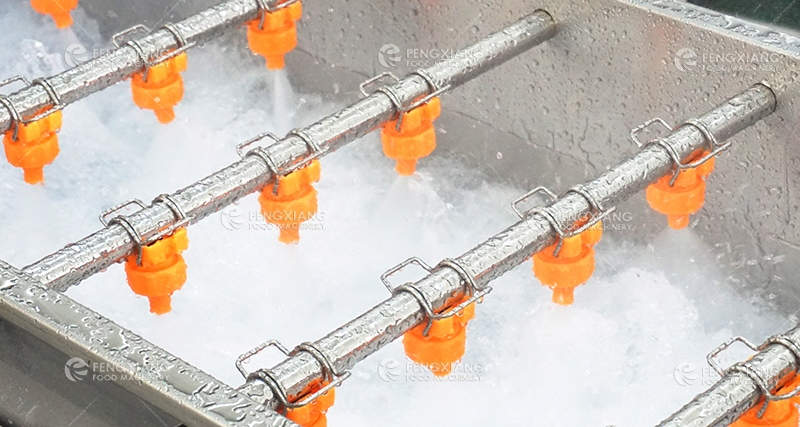
Packaging
Packaging is critical to protecting fresh-cut vegetables. Vacuum packaging is commonly used for its cost-effectiveness, while MAP (Modified Atmosphere Packaging) provides better preservation but at a higher cost.
Cold Storage
Low temperatures slow down the vegetables' respiration and nutrient loss. Store fresh cutted vegetables at 4°C–8°C to maintain quality without causing cold damage. This helps extend shelf life and ensure freshness.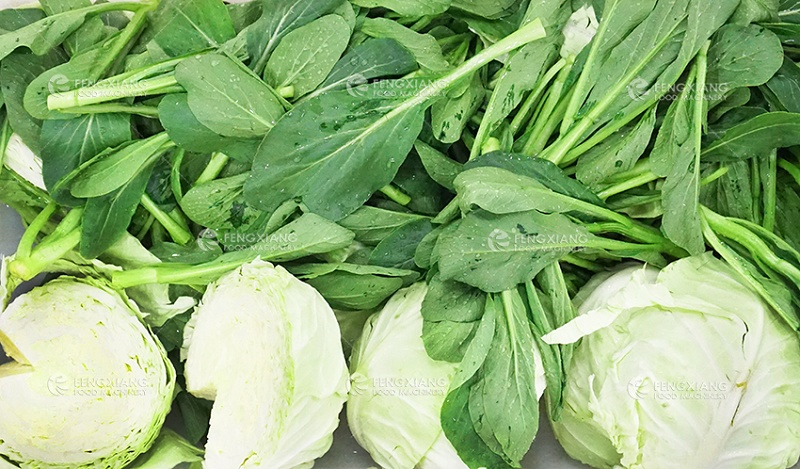
A well-designed fresh-cut vegetable processing line integrates sorting, cleaning, cutting, preservation, dehydration, sterilization, packaging, and cold storage. Each step is crucial for ensuring high-quality, safe, and long-lasting fresh-cut products.
Next
Related cases

Calamansi Processing Line Solution | Lime Pre-Processing Equipment Manufacturer
Fengxiang designs customized citrus fruit processing solutions for calamansi and lime. The system covers fruit washing, grading, conveying and pre-processing before juice production, helping food factories improve processing efficiency with reliable equipment combinations.
Pumpkin Processing Line | Pumpkin Peeling Machine & Squash Peeler Machine
This pumpkin processing solution covers peeling, splitting, coring and cutting for different pumpkin types. It integrates pumpkin peeling machine and a squash peeler machine to support stable production in vegetable and frozen food processing lines.
Industrial Fruit and Vegetable Washing Machine: Working Principle, Types & Applications
An industrial fruit and vegetable washing machine designed for efficient cleaning of leafy greens, fruits, and root vegetables. Featuring bubble, ozone, and ultrasonic technologies, it improves hygiene, reduces labor, and fits modern food processing lines.



Contact Us
Whatsapp:+86-18024957831
Add: LiJian Office Building, Mugang Town, Duanzhou 8th Road, Zhaoqing City, Guangdong Province, China