

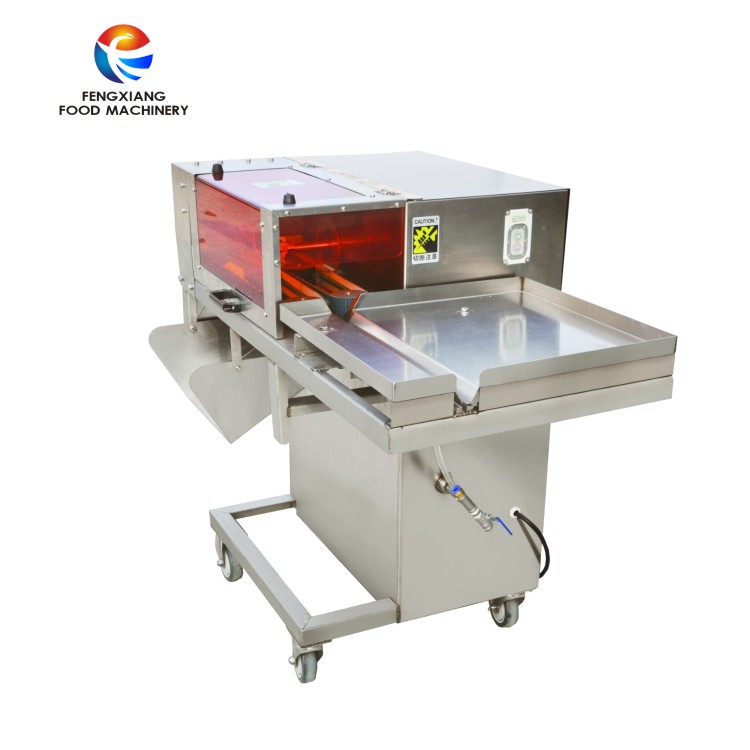
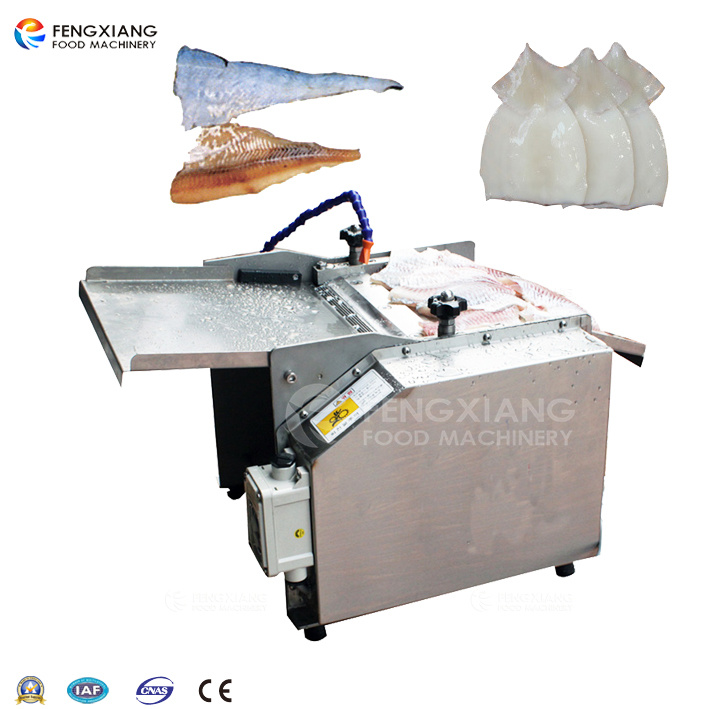
Fengxiang FGB-180 Automatic Salmon Tilapia Fish Filleting Debone Processing Machine
OEM/DOM-baking series, processing series, egg roll series, biscuit series, net red food series
Product Classification:
Key words:
- Product details
-
Fengxiang FGB-180 Automatic Salmon Tilapia Fish Filleting Debone Processing Machine-Fengxiang Food Machinery | Food Processing Machinery Manufacturer
Fengxiang FGB-180 Automatic Salmon Tilapia Fish Filleting Debone Processing Machine
OEM/DOM-baking series, processing series, egg roll series, biscuit series, net red food series
Product Classification:
Key words:
- Product details
-
FGB-180 Automatic Fish Filleting Machine
Fish Splitting Machine for Salmon, Tilapia, Cod & MoreIndustrial 3-piece filleting · Band knife + circular knife combination · High meat recovery · Food factory grade
Get a Free Quote ▶ Watch VideoWhat Is the FGB-180 Fish Filleting Machine?
Walk into any mid-to-large seafood processing plant — salmon factories in Norway, tilapia lines in Southeast Asia, cod processing facilities in Northern Europe — and the bottleneck is often the filleting stage. Manual workers are slower, fillet quality can vary by operator, and labor requirements increase as production volume grows. That is exactly where the Fengxiang FGB-180 fish filleting machine is designed to help.
The FGB-180 is an industrial-grade automatic fish filleting machine that uses a band knife and circular knife working together to follow the natural bone structure of each fish. The machine produces a clean 3-piece split: 1 bone center + 2 fillet sides. It is suitable for salmon, tilapia, sooted mackerel, atka mackerel, pollock and cod, as well as similarly structured round fish. Mechanical adjustments can be made according to fish species and size.

Challenges in Industrial Fish Filleting
Manual fish filleting requires skilled operators and can become difficult to maintain consistently as production volume increases. The FGB-180 fish filleting machine is designed to provide a more consistent mechanical cutting process.
Pain Point How FGB-180 Solves It Low fillet yield caused by inconsistent cutting Knife positioning is designed around the fish bone structure to improve meat recovery. Inconsistent cutting quality between operators Mechanical positioning and adjustment help maintain repeatable cutting results. High labor requirement for manual filleting Automatic feeding and cutting reduce manual handling during the filleting stage. Uneven fillet cutting results Band knife and circular knife combination provides controlled cutting along the fish. Difficulty integrating manual filleting into automated lines Conveyor-fed design allows integration with other fish processing equipment. How the Fish Filleting Machine Works - Step by Step
The FGB-180 follows a straightforward processing sequence. After the machine is adjusted for the target fish species and size, whole fish are continuously fed through the cutting section and discharged as two fillet sides and a central bone section.
1Fish FeedingPlace whole fish on the conveyor.› 2Auto PositioningConveyor system positions the fish for cutting.› 3Knife CuttingBand and circular knives perform the filleting cuts.› 43-Piece Split1 bone center and 2 fillet sides are separated.› 5DischargeFillets move to the next processing stage.
FGB-180 integrated into a complete fish processing line
Technical Specifications
Parameter Detail Model FGB-180 Machine Name Automatic Fish Filleting Machine / Fish Splitting Machine Cutting Principle Band knife + circular knife combination Output per Fish 3 pieces: 1 bone + 2 fillet sides Applicable Fish Species Salmon, Tilapia, Sooted Mackerel, Atka Mackerel, Pollock, Cod and similar species Drive System Motor-driven conveyor belt Material Food-grade stainless steel for food-contact parts Power Supply 3-phase power supply; local voltage and frequency can be confirmed with the factory Operation Mode Fully automatic, continuous Adjustment Mechanical adjustment for different fish species and sizes Brand Fengxiang * Exact power, dimensions and throughput specifications depend on the final machine configuration. Contact Fengxiang for the detailed technical datasheet.
Key Features of the FGB-180 Fish Filleting Machine
🔪Bone-Oriented Knife Positioning
The cutting system is positioned around the natural bone structure of the fish to help produce clean fillet cuts and improve usable meat recovery.
⚙️Band Knife + Circular Knife
The FGB-180 combines band knife and circular knife cutting mechanisms to process whole fish into two fillet sides and one central bone section.
🐟Wide Species Compatibility
Suitable for salmon, tilapia, sooted mackerel, atka mackerel, pollock, cod and other similarly structured fish. Mechanical adjustments support different fish sizes.
🏭Inline Line Integration
Conveyor-fed input and discharge allow the machine to be integrated with upstream and downstream fish processing equipment.
🛡️Food-Grade Stainless Steel
Food-contact components use stainless steel construction designed for regular cleaning and demanding seafood processing environments.
🔧Mechanical Adjustment
Operators can adjust the cutting position according to fish species and size, helping the machine adapt to different production requirements.
Suitable Fish Species
The FGB-180 fish filleting machine is designed for a range of round fish species. Machine adjustment can be made according to fish size and processing requirements.
🐟 Salmon 🐟 Tilapia 🐟 Sooted Mackerel 🐟 Atka Mackerel 🐟 Pollock 🐟 Cod Application Scenarios
Fish processing plants increasingly use mechanical equipment to improve processing consistency and reduce manual handling. The FGB-180 fish filleting machine can be used in:
- Fish fillet processing factories and seafood processing plants
- Frozen fish production lines requiring automated filleting
- Seafood OEM and contract processing facilities
- Aquaculture processing plants moving from manual to automated filleting
- Retail-oriented seafood processing facilities
- Multi-species fish processing lines handling salmon, tilapia, cod and similar fish
For technical context on hygienic practices in fish and fishery product processing, refer to Codex Alimentarius codes of practice for fish and fishery products .

Finished fillet output - 1 bone center + 2 fillet sides per fish
Why Choose Fengxiang Fish Filleting Machine?
20+Years of food processing machinery manufacturing experience
GlobalEquipment supplied to food processors in international markets
OEMCustom solutions for fish species and production line layouts
SupportTechnical support, spare parts and installation guidance
Troubleshooting Guide
Quick solutions to common issues during fish filleting machine operation:
Issue Cause Solution Equipment not working Power not connected Check the power connection, plugs and switch. If power is confirmed but the equipment does not start, consult a qualified technician. Conveyor belt running in reverse Incorrect three-phase motor connection Check the three-phase power connection and motor rotation direction. Electrical work should be performed by qualified personnel. Unclean fillet cut surface Blade worn or dull Inspect blade condition. Replace or sharpen the blade according to the machine maintenance procedure. Conveyor belt damaged Blade clearance is too small Check and adjust the clearance between the blade and conveyor belt according to the machine setting requirements. Frequently Asked Questions
Q: What fish species can the FGB-180 fish filleting machine process?The FGB-180 is suitable for salmon, tilapia, sooted mackerel, atka mackerel, pollock, cod and other similarly structured round fish. Mechanical adjustments can be made according to the target fish species and size.Q: How many pieces does the fish splitting machine produce per fish?The FGB-180 splits each fish into 3 pieces: one central bone section and two fillet sides.Q: How is the FGB-180 fish debone machine different from manual filleting?The FGB-180 automates the main filleting operation and provides repeatable mechanical cutting. Compared with manual filleting, it can help reduce manual handling and maintain more consistent processing results when properly adjusted.Q: Can the tilapia filleting machine be adjusted for different fish sizes?Yes. The machine provides mechanical adjustment for different fish species and sizes. The final setting depends on the actual fish dimensions and processing requirements.Q: Can this fish cutting machine be integrated into a full processing line?Yes. The FGB-180 uses conveyor feeding and discharge and can be integrated with suitable upstream and downstream fish processing equipment such as scaling, gutting, portioning and packaging systems.Q: What are the power requirements for the FGB-180?The FGB-180 uses a 3-phase power supply. Exact voltage, frequency and electrical configuration should be confirmed according to the customer's local requirements.Q: Does Fengxiang offer OEM or custom configurations?Yes. Fengxiang can provide customized solutions according to fish species, fish size, production capacity and processing line layout.Q: What is the minimum order quantity, and how long does delivery take?Standard equipment can be supplied as an individual machine. Production lead time depends on the final configuration, order schedule and destination. Please contact Fengxiang for a current quotation and delivery estimate.Q: Can I test the machine with my own fish before purchasing?Yes. Customers can discuss a factory test using their target fish species with the Fengxiang technical team. Video testing or on-site testing arrangements can also be discussed depending on the project.
Keyword:
Fengxiang FGB-180 Automatic Salmon Tilapia Fish Filleting Debone Processing Machine
Related Products
Product inquiry
Thank you for your interest in FengXiang. You can contact us using the contact form



Contact Us
Whatsapp:+86-18024957831
Add: LiJian Office Building, Mugang Town, Duanzhou 8th Road, Zhaoqing City, Guangdong Province, China
-


Keyword:
Fengxiang FGB-180 Automatic Salmon Tilapia Fish Filleting Debone Processing Machine
Related Products
Product inquiry
Thank you for your interest in FengXiang. You can contact us using the contact form
Contact Us
Whatsapp:+86-18024957831
Add: LiJian Office Building, Mugang Town, Duanzhou 8th Road, Zhaoqing City, Guangdong Province, China