

NEWS AND STORIES
Share the latest company updates, product launches, and inspiring stories from behind the scenes.

NEWS AND STORIES
Share the latest company updates, product launches, and inspiring stories from behind the scenes.
Vegetable Washing Machines: Technologies, Benefits, and Applications
Release time:
2025-12-20
This article introduces modern vegetable washing machines and explains why proper produce cleaning is essential for food safety. It covers different washing technologies, key features to consider, best operating practices, and common questions, helping food processors choose suitable vegetable washing solutions.
A Practical Guide to Improving Food Safety and Processing Efficiency in Vegetable Cleaning
In today's fast-paced world, ensuring that our fruits and vegetables are clean and safe to consume is more important than ever. With the rise in awareness about food safety, the demand for effective cleaning solutions has led to significant innovations in vegetable washing machines. This article presents an in-depth look at the latest vegetable washing technologies, designed to make cleaning produce easier and more efficient than ever before.

The Importance of Cleaning Produce
Before delving into the specifics of washing machines, it's crucial to understand why cleaning produce is essential. Many fruits and vegetables can harbor harmful bacteria, pesticides, and dirt, posing health risks to consumers.
Health Risks Associated with Unclean Produce
Unwashed produce can lead to foodborne illnesses caused by pathogens like E. coli, Salmonella, and Listeria. Cleaning vegetables properly helps to reduce these risks. Furthermore, pesticides used during farming can linger on the surface, making thorough cleaning even more necessary.
Benefits of Using Vegetable Washing Machines
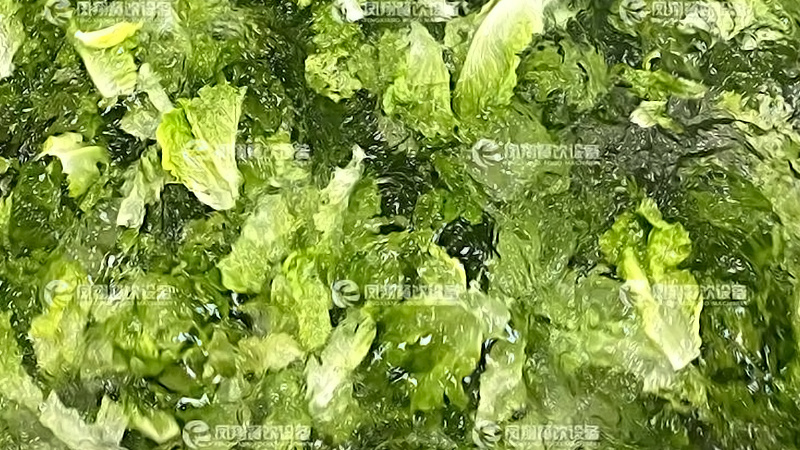
| Using specialized vegetable washing machines offers several advantages over manual cleaning methods: 1. **Efficiency**: Machines can clean a larger quantity of produce in a shorter amount of time. 2. **Consistency**: Automated washing ensures that all items receive the same thorough cleaning. 3. **Water Conservation**: Many washing machines use less water than traditional methods, promoting sustainability. 4. **Labor Savings**: Reducing the need for manual cleaning frees up staff to focus on other tasks. |
 |
Types of Vegetable Washing Machines
When considering a vegetable washing machine, understanding the different types available can help you make an informed decision.
1. Vegetable Bubble Washing Machine

Bubble washing machines utilize high-frequency vibrations and bubbles to dislodge dirt and contaminants from the surface of produce. They are particularly effective for leafy greens and delicate vegetables, ensuring a thorough clean without damaging the produce.
 |
 |
2. Vegetable Spray Washing Machine

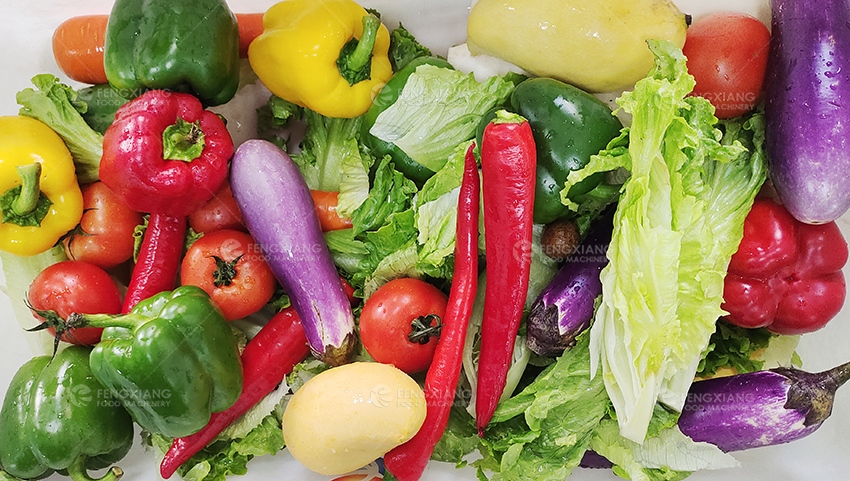
A spray washing machine uses high-pressure jets of water to clean vegetables. This method is effective for hard-skinned produce like potatoes and carrots, where the force of the water can easily remove dirt and residue.
 |
 |
3. Vegetable Soaking Washing Machine

This type of machine allows vegetables to soak in water, often combined with gentle agitation. Soaking washers are particularly beneficial for items that require more time to clean, allowing dirt to loosen before being rinsed away.
 |
 |
4. Ultrasonic Washing

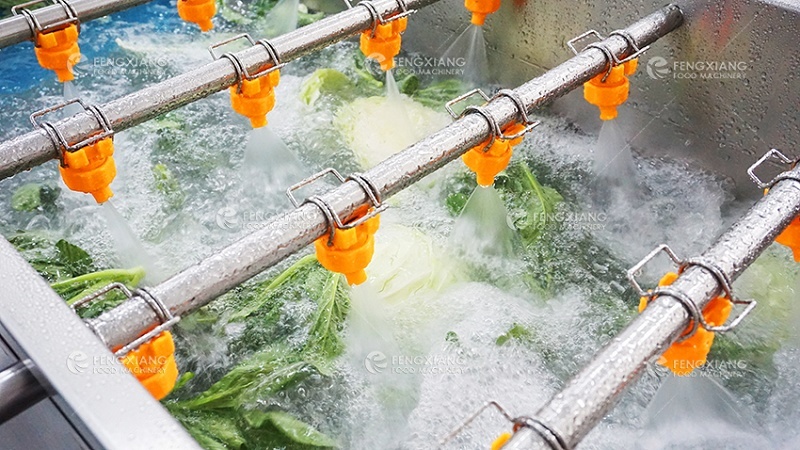
An ultrasonic vegetable washing machine uses sound waves to create tiny bubbles in a liquid solution. When these bubbles collapse, they produce a cleaning action that effectively removes contaminants from the surface of produce. This method is particularly advantageous for items with irregular surfaces.
 |
 |
5. Drum Washing Machine for Root Vegetables

A drum washing machine is specifically engineered for cleaning root vegetables and tuber crops such as potatoes, sweet potatoes, carrots, turnips, beets, ginger, and taro. Its robust design makes it one of the most effective solutions for handling produce with heavy soil contamination and tough, uneven outer surfaces
 |
 |
Features to Look for in Vegetable Washing Machines

When choosing a vegetable washing machine, several features should be considered to ensure optimal performance.
1. Capacity
Assess your cleaning volume needs. For commercial operations, a machine with a larger capacity may be necessary to handle high production demands efficiently.
2. Customizable Settings
Look for machines that allow you to adjust settings such as wash time, water pressure, and temperature to cater to different types of produce.
3. Water Filtration Systems
Incorporating a water filtration system can enhance cleanliness and reduce the risk of cross-contamination, ensuring that the wash water remains clean throughout the process.
4. Ease of Cleaning and Maintenance
Choose machines designed for easy disassembly and cleaning. Regular maintenance is crucial for optimal performance and longevity.
5. Energy Efficiency
Select models that promote energy efficiency, reducing operational costs while supporting sustainability efforts.
Best Practices for Using Vegetable Washing Machines

To maximize the benefits of vegetable washing machines, implement the following best practices:
1. Pre-Inspection of Produce
Before washing, inspect your produce for any visible dirt or damage. Remove any spoiled items, as they can contaminate the rest.
2. Proper Loading Techniques
Avoid overcrowding the washing machine. Proper loading allows for adequate water flow and ensures all surfaces are cleaned effectively.
3. Follow Manufacturer Guidelines
Always adhere to the manufacturer’s instructions for optimal use and maintenance of the vegetable washing machine.
4. Regular Maintenance
Establish a maintenance schedule to ensure the machine operates efficiently. Regularly clean filters and components to prevent build-up.
5. Monitor Water Quality
Regularly check the quality of the washing water. Replace it when necessary to maintain hygiene standards.
FAQs About Vegetable Washing Machines
1. How often should I clean my vegetable washing machine?
Regular cleaning after each use and thorough maintenance weekly is recommended to ensure optimal performance.
2. Can I use a vegetable washing machine for fruits as well?
Yes, most vegetable washing machines can effectively clean fruits, though it's important to select the appropriate settings based on the fruit type.
3. Are vegetable washing machines energy-efficient?
Many modern vegetable washing machines are designed to be energy-efficient, using less water and power compared to traditional cleaning methods.
4. How do I know which type of washing machine is best for my needs?
Consider the volume of produce you need to clean, the types of vegetables you commonly use, and your budget when selecting a machine.
5. Can I wash organic produce in these machines?
Absolutely! Vegetable washing machines are designed to clean all types of produce, including organic items.
Conclusion: Embracing Solutions for Clean Produce
A vegetable washing machine not only enhances the efficiency of your cleaning process but also ensures the safety and quality of the produce you serve or consume. With various types of machines available, it's essential to choose one that aligns with your specific needs and business model. By adopting these modern solutions, we can simplify our food safety practices and enjoy the benefits of clean, healthy produce effortlessly. Whether for a home kitchen or a commercial establishment, these innovations are poised to revolutionize the way we think about cleaning our vegetables.
Advanced washing methods such as ultrasonic systems are increasingly used in food processing. Detailed explanations of ultrasonic cleaning technology in food processing show how sound waves help remove contaminants from complex vegetable surfaces.
https://pmc.ncbi.nlm.nih.gov/articles/PMC9498452/
Recommend News



Contact Us
Whatsapp:+86-18024957831
Add: Mugang Town, Duanzhou 8th Road, Zhaoqing City, Guangdong Province, China